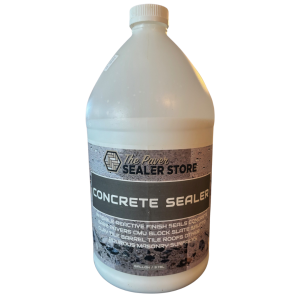
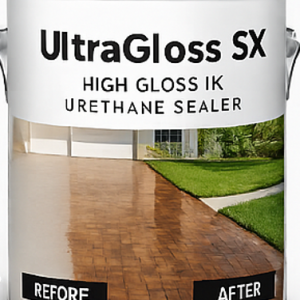
Concrete protection systems

Concrete Sealers for Driveways, Floors & Masonry

Choose from breathable penetrating sealers, dry-look water repellents, and high-gloss urethane systems selected for concrete. Match the sealer to surface profile, moisture conditions, desired finish, and traffic before ordering.

Current category

Concrete sealer products

3 products

Concrete buying guide

How to choose a concrete sealer

The best concrete sealer is the one that matches the slab, its existing condition, and the finish you actually want. Before comparing containers, identify whether the surface is bare or previously coated, indoors or outdoors, exposed to vehicle traffic or standing moisture, and open enough to accept a penetrating treatment.

Start with the protection type

Penetrating sealers are chosen when the goal is water repellency with little visible film. Film-forming urethane, acrylic, and coating systems can deepen color or add gloss, but they require sound preparation, controlled application thickness, and compatibility with any old coating. A test patch should confirm absorption, adhesion, appearance, and traction before the full project.

Match the surface and exposure

Driveways, garage floors, patios, pool decks, walls, and fresh concrete do not impose the same demands. Consider moisture movement, salts, hot-tire exposure, UV, chemicals, and the surface profile. Confirm every intended use against the current product label and technical sheet; category placement alone is not a substitute for product-specific instructions.

Plan preparation and coverage

Remove incompatible coatings, dirt, oil, salts, curing compounds, and cleaner residue. Repair drainage or surface defects before sealing. Coverage varies with porosity, profile, coat count, and application loss, so measure a representative test area and order from the observed spread rate rather than a best-case number.

Know when to pause the project

Do not seal over active moisture, visible efflorescence, uncured repair material, weak concrete, or an unidentified coating. A glossy result is not a cure for surface failure or drainage problems. If water is moving through the slab, a previous film is softening, or the test patch will not bond evenly, correct the underlying condition before choosing a replacement system. For occupied interiors, also verify ventilation, downtime, and the exact safety requirements before work begins.